
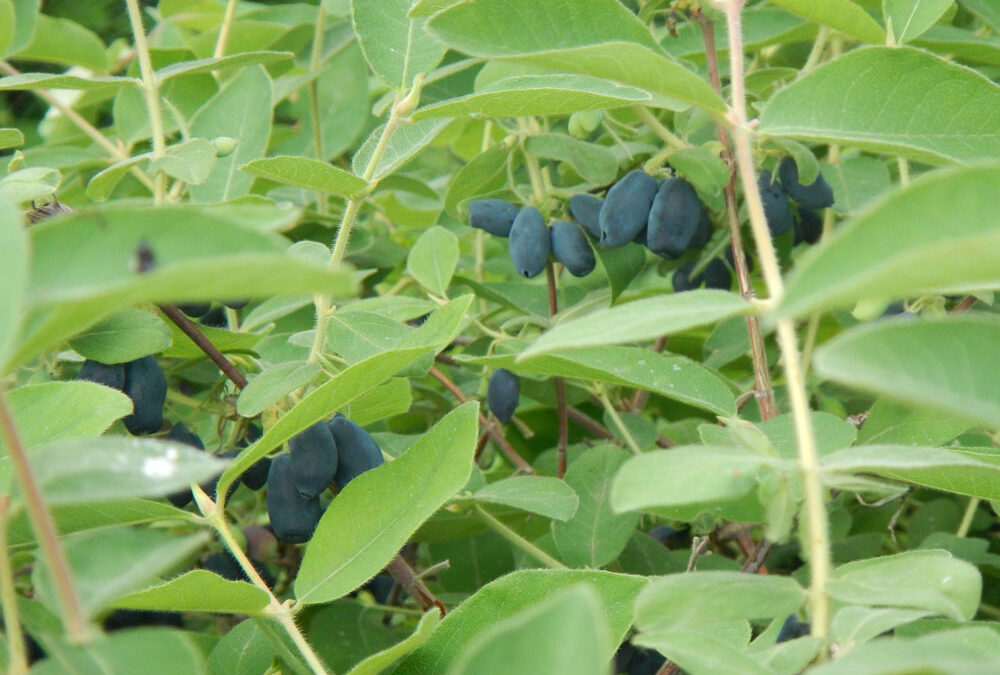
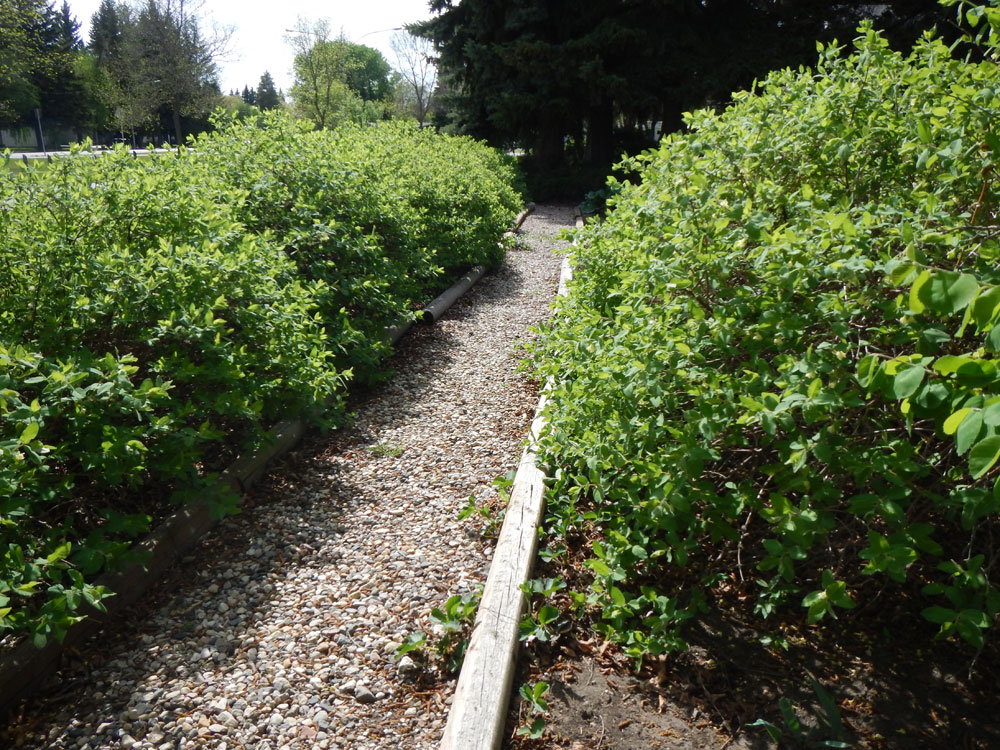
After planting a whole hedge of haskap bushes in 2013, it has become a tradition to pick them with my mom every June. Haskap is the Japanese name for Lonicera caerulea, which is a type of edible honeysuckle. It is native to northern hemisphere countries including Canada, Japan and Russia. The berry size of wild North American plants are the size of lentils so it wasn’t worth the effort to pick them. But, in Japan and Russia some wild haskap had much larger fruit and in certain areas it was worthwhile to gather them. Hokkaido Island in Japan has a history of using this berry that goes back hundreds of years. In 2000 the University of Saskatchewan started a haskap breeding program to create varieties with larger more flavourful berries that will grow well in Canada, and they now have one of the most diverse collections of haskap plants in the world.
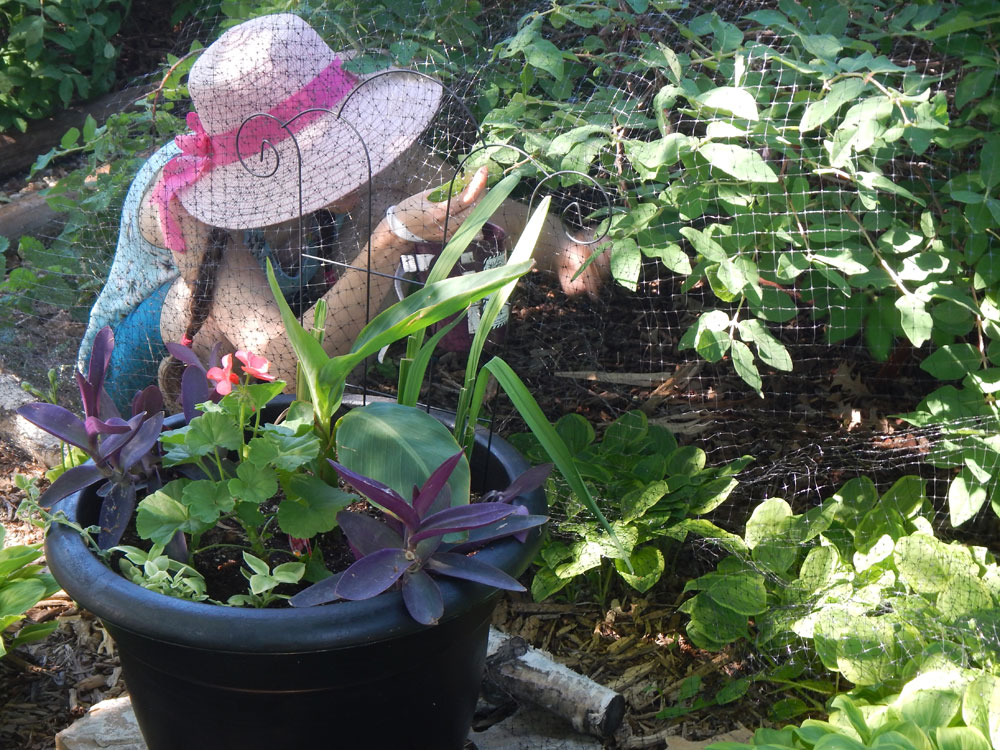
Good varieties of Haskap have a fresh raspberry/blueberry flavour with a special zing common only to Haskap. They are a good source of Vitamin C and A, as well as Potassium, Fibre, and Antioxidants. Haskaps can be made into juice, jelly, jam, compote, liqueur, wine, dried berries, fruit leather, and are excellent in smoothies. You can also use haskaps in baked goods like cakes, muffins, cobbler, crisps, pies, or anything else you would put blueberries in. Haskaps are also a favourite among birds, so we have to cover our bushes with bird netting if we want to be able to pick any ripe berries for ourselves.